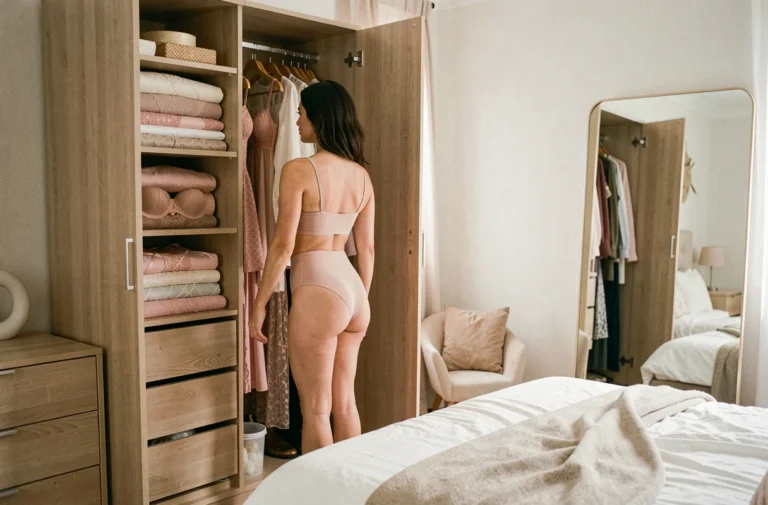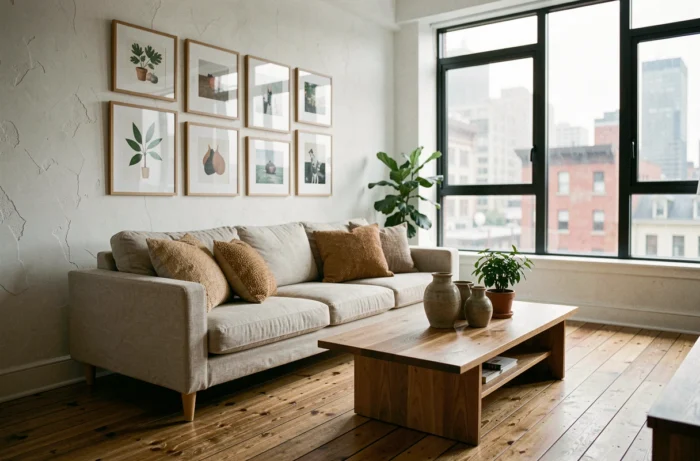
Arranging and decorating a home relies on concrete trade-offs between volumes, light, and materials. Recent trends are shaking up the codes of dominant minimalism: saturated colors, a return of Art Deco in a modernized form, and second-hand furniture integrated into decoration projects. The subject deserves a factual look at what really works, beyond moodboards.
Neo Deco and dopamine decor: the trends redefining the living room
Scandinavian minimalism has long dictated interior decoration choices in France. Trend analyses published for 2025-2026 describe a shift towards two distinct currents. The first, dubbed dopamine decor, focuses on bright colors and playful patterns to generate a positive effect on daily emotional well-being. The second, urban maximalism, embraces a controlled accumulation of expressive objects.
At the same time, Art Deco style is making a comeback in living rooms in an updated version, often referred to as “Neo Deco.” This trend combines geometry, materials such as marble, brass, or velvet, and deep colors: burgundy, midnight blue, emerald green, graphite black. To avoid visual overload, recommendations converge towards a single accent wall and a strict limitation of patterns, paired with sleek contemporary furniture.
These two directions coexist without contradicting each other. A living room can incorporate an emerald green velvet sofa (Neo Deco style) with cushions in bold hues (dopamine style), provided there is consistency in materials. Several resources detail these approaches, including home articles on Athomedia.com that regularly cover these layout topics.
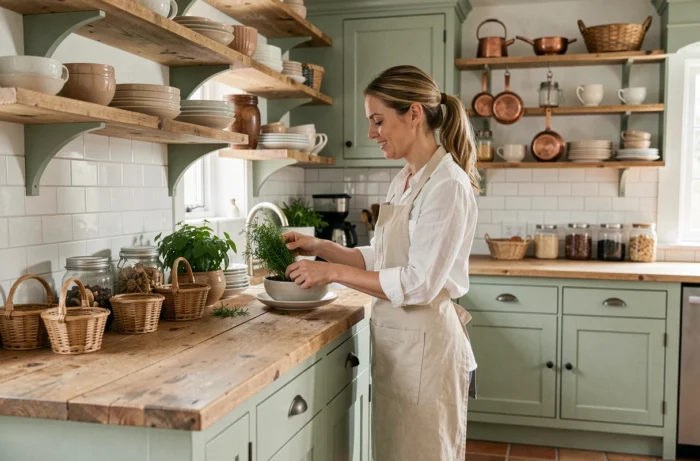
Color and natural light: two often miscalibrated design levers
Choosing a color for a wall or piece of furniture without considering the room’s orientation leads to disappointing results. A warm hue (terracotta, ochre) in a south-facing room amplifies the feeling of heat in summer. In contrast, the same color in a north-facing room compensates for the lack of brightness and creates an enveloping atmosphere.
Natural light remains the primary factor to evaluate before any decorative choice. Before selecting a palette, observe the room at different times of the day. An off-white appears gray in a poorly lit room, while a midnight blue gains depth with low-angle lighting.
Curtains and blinds play an underestimated role in this equation. Replacing a thick blackout curtain with a linen sheer filters light without blocking it. This type of adjustment costs almost nothing and radically changes the perception of space.
Combining colors and materials without overwhelming
The temptation to multiply finishes (raw wood, brushed metal, waxed concrete, brass) in the same room often results in a confusing outcome. A more reliable approach is to limit materials to three per space:
- A dominant material that covers large surfaces (floor, walls, countertop)
- A secondary material for the main furniture (table, bookshelf, console)
- An accent material reserved for details (handles, light fixtures, frames)
This rule of three materials per room allows for the integration of both a Neo Deco style and a more sober interior while maintaining visual clarity.
Second-hand furniture: a decorative lever that has become structural
The purchase of second-hand furniture is no longer a marginal choice. The second-hand market in furniture has seen steady growth in recent years, driven by both budgetary and environmental concerns. Second-hand is reshaping the furniture market in France, according to an analysis by the Xerfi firm.
From a decorative standpoint, vintage furniture brings a uniqueness that is hard to replicate with standardized new items. A 1960s sideboard, a reupholstered tub chair, or a patinated farmhouse table create focal points that contemporary catalogs do not offer.
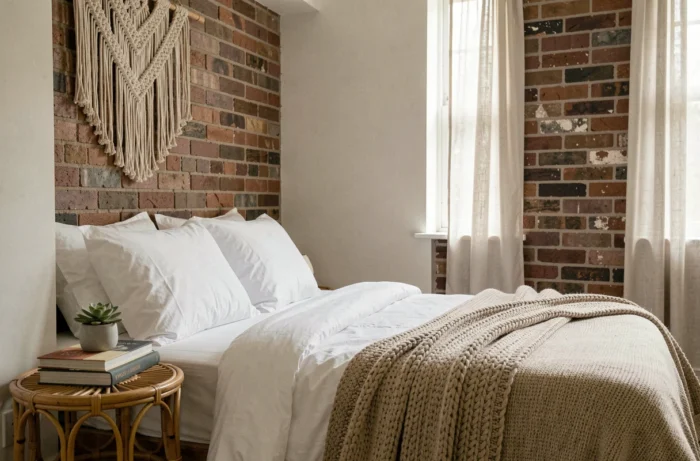
Limits to know before buying
Field reports vary on the actual quality of pieces available online. A piece of furniture photographed under flattering lighting may reveal structural defects upon delivery: sticking drawers, peeling veneer, unstable legs. Checking the condition in person remains the most reliable method, especially for solid wood pieces.
A poorly restored vintage piece can sometimes cost more than an equivalent new piece once restoration costs are added. Before splurging on an Art Deco dresser from an online flea market, estimate the cost of sanding, a new finish, and possible hardware replacement.
Interior decoration room by room: prioritizing visual impact
Not all rooms deserve the same investment in time and budget. The entryway, often overlooked, creates the first impression. A well-sized mirror, a sturdy hook, and indirect lighting are enough to transform a narrow hallway into a welcoming space.
The kitchen accounts for a significant portion of time spent at home. Changing cabinet handles, replacing a damaged countertop, or installing an adhesive backsplash generates a visual impact disproportionate to the cost. These interventions rarely take more than a weekend.
- Entryway: mirror, indirect lighting, vertical storage to free up the floor
- Living room: a single strong element (sofa, rug, light fixture) around which to organize the rest
- Bedroom: quality bedding and warm lighting, two areas that change the atmosphere without renovation
- Bathroom: replacing faucets and adding wall storage for an immediate effect
Focusing the budget on two or three strategic rooms yields better results than a similar sprinkle of investment in every corner of the house. Interior design gains coherence when each room has a defined role and treatment suited to its actual use.